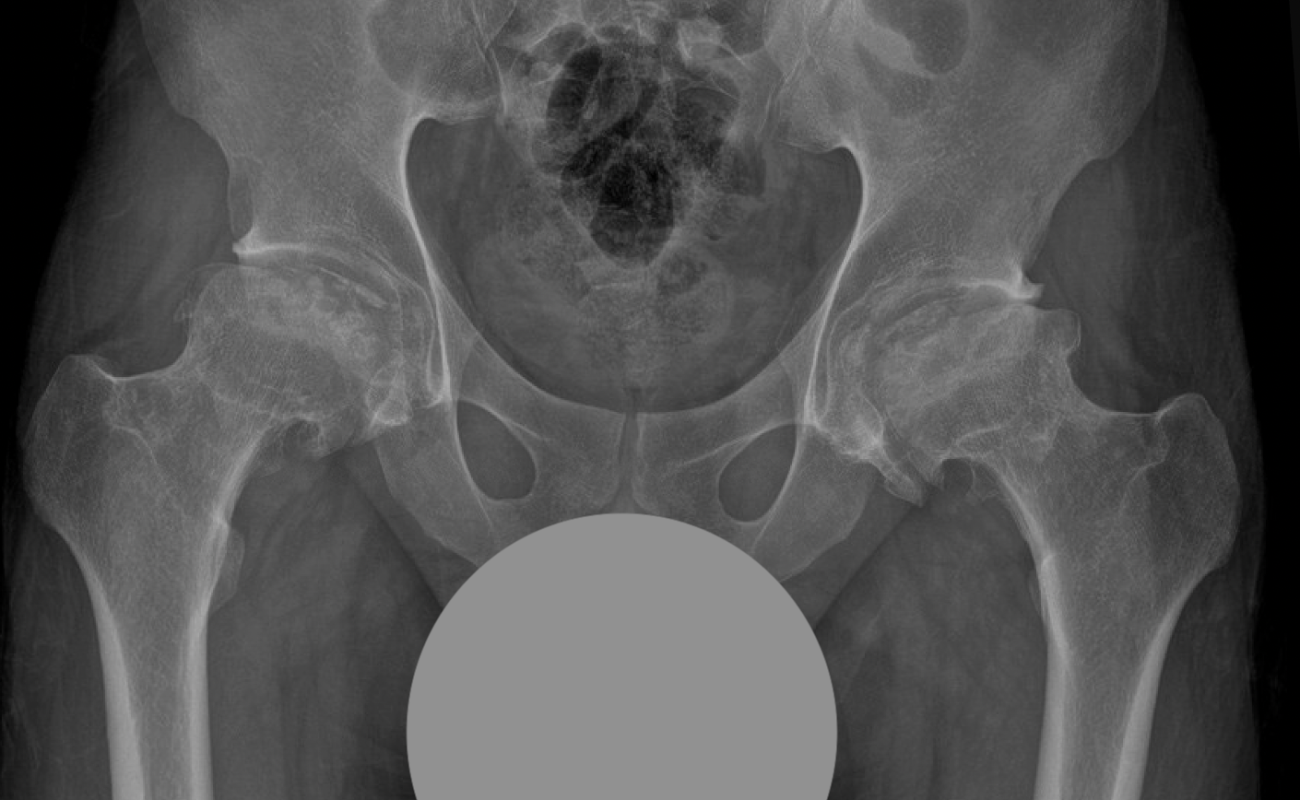
Avascular necrosis (AVN), also known as osteonecrosis, is a condition where the blood supply to a portion of bone is reduced or interrupted. Without adequate blood flow, the bone tissue begins to die, leading to the collapse of the bone structure. This condition most commonly affects the hip joint, but it can also occur in other bones such as the knees, shoulders, and ankles.
Causes of Avascular Necrosis:
- Trauma or Injury: A fracture or dislocation can damage the blood vessels supplying the bone.
- Steroid & Medication Use: Long-term use of high-dose steroids, as well as other medications, are a known risk factor for AVN.
- Tobacco & Alcohol Consumption: Excessive tobacco & alcohol intake is strongly associated with AVN.
- Medical Conditions: Certain medical conditions, such as sickle cell disease, bleeding disorders, lupus, and diabetes can increase the risk of AVN.
- Idiopathic: In some cases, the exact cause of AVN is unknown.
Early diagnosis may provide reassurance in your diagnosis, however, there are no well proven ways to reverse the process of avascular necrosis. The primary goal is reducing your pain and monitoring the health of the hip joint. If the bone begins to collapse or the pain is not well managed with medicines or injections, the definitive solution would be total hip replacement.
When would a hip replacement help?
Hip replacement surgery may be necessary when avascular necrosis causes significant damage to the hip joint, leading to pain and impaired function. Here are some signs that it may be time to consider hip replacement surgery due to AVN:
- Persistent Pain: Pain in the groin, thigh, or buttocks that doesn’t improve with rest or non-surgical treatments. The pain may be severe and worsen with weight-bearing activities.
- Reduced Mobility: Difficulty walking, climbing stairs, or performing daily activities due to pain and stiffness in the hip joint.
- Progression of Disease: If imaging studies (such as X-rays or MRI) show that the bone has started to collapse or the joint space is narrowing, hip replacement may be recommended to prevent further damage.
- Failed Non-Surgical Treatments: If other treatments, such as medications, physical therapy, or core decompression surgery, have not been effective in relieving symptoms, hip replacement may be the best option.
- Impact on Quality of Life: If AVN is severely affecting your quality of life, including your ability to work, sleep, or engage in activities you enjoy, a hip replacement can help restore function and alleviate pain.
Total hip replacement can provide significant relief from pain and improved joint function for most patients, making it a very effective solution for those with advanced avascular necrosis. However, all surgery carries risk and results may vary by individual patients.
Total hip replacement is typically performed in a day surgery setting, meaning that most patients will return home on the same day as surgery and not stay overnight in the hospital. The recovery from surgery has historically been associated with significant pain for the first 2 weeks, however, recent work on multimodal pain medicines, inflammation reduction and minimizing blood loss has seen many patients recover without any need for strong pain medicines (narcotics). Dr Montgomery is eager to help you minimize your inflammation and post-surgical pain, and importantly, get you back on your feet with minimal use of potentially addictive medicines.
You can read more about total hip replacement here.