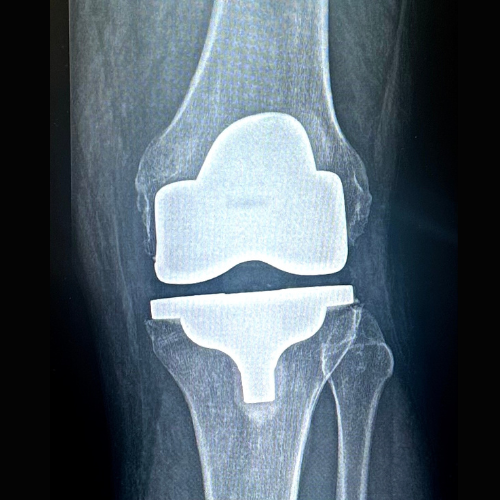
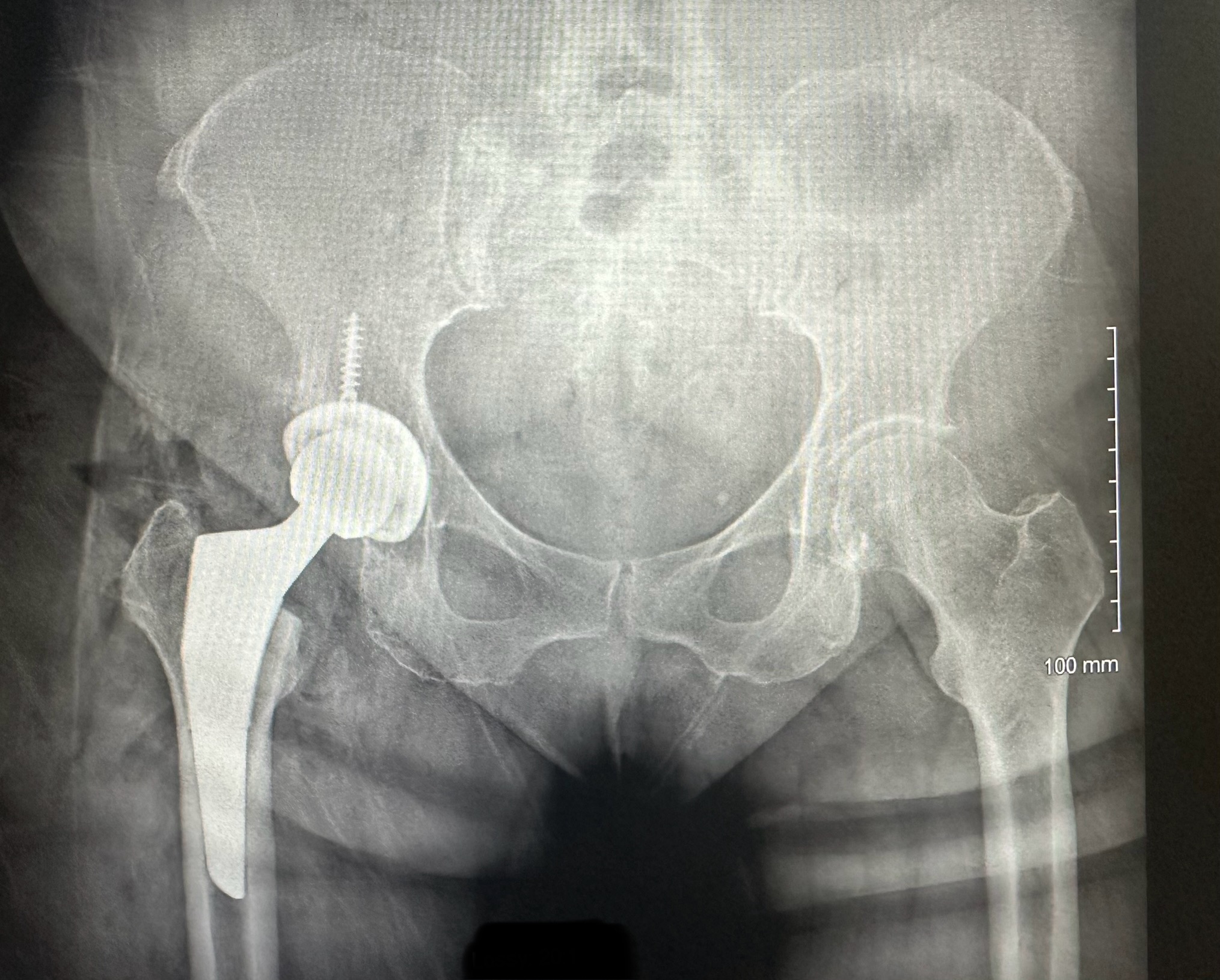
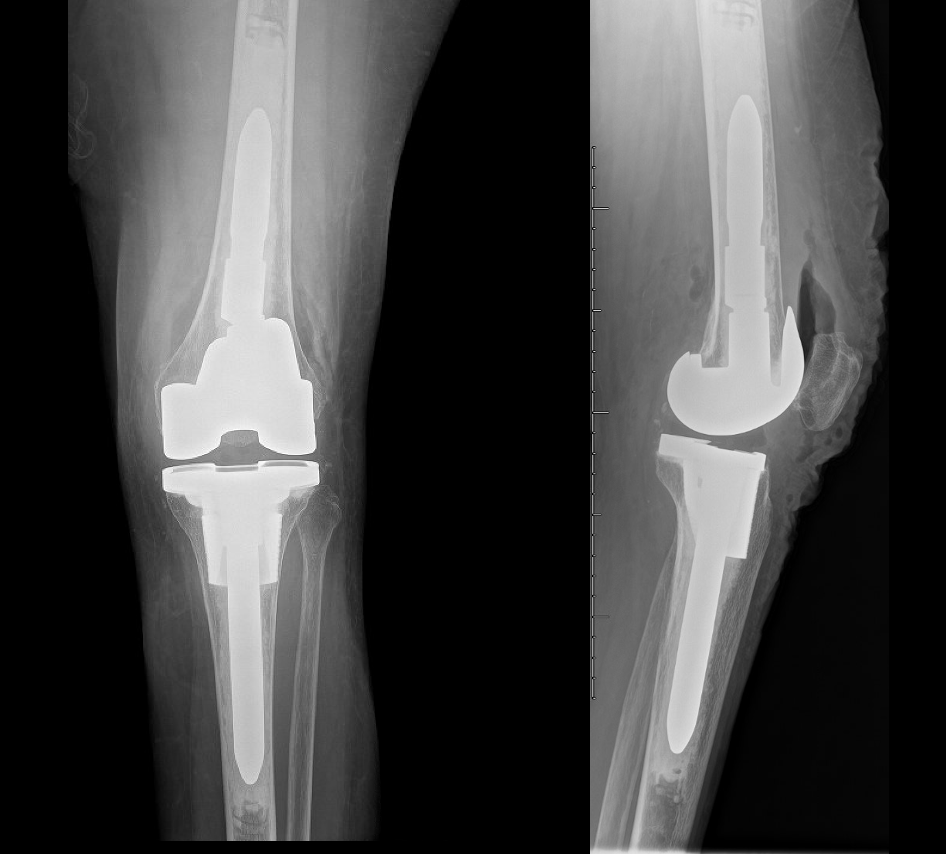
For those with hip and knee arthritis, initial treatment often involves non-surgical measures like pain relief medications, anti-inflammatory drugs, injections, nerve blocks and exercises. Weight loss, if applicable, can also help alleviate symptoms.
These strategies can significantly improve function and may delay the need for surgical intervention. Even in cases when surgery is indicated, physical activity or formal physical therapy can help ensure your knee will be as strong and mobile as possible which can improve your recovery after surgery.
For this reason, I always encourage physical therapy for patients with knee arthritis.
There are a few “red flags” that should prompt you to discuss with your doctor:
- If you are developing a worsening deformity in the knee or shortening of the leg
- If you are losing range of motion in your hip or knee
- If your joint is unstable or unable to support you
- If you have severe arthritis causing bone loss
- If you have fever, chills, or sweating at night and increasing joint pain
What are the non-surgical options?
Surgery can be very effective and for a great majority of patients it is performed without complication, but there will always still be a risk of complications. That is why it is important to ensure you have tried your best to treat your symptoms without surgery.
Alternative options with limited but potential evidence: (not always available and will require you find providers for these services)
Laser Therapy
- Limited evidence and not harmful
- Unclear if low-level lasers or high intensity lasers are most effective
- Example Providers: OrthoLazer
Accupuncture
- Limited evidence and not harmful
Hyaluronic Acid Injections
- “synthetic joint fluid” injections may alleviate pain and inflammation in some patients, these results are most likely to be achieved in patients without “bone-on-bone” arthritis.
Platelet Rich Plasma Injections
- This is where your blood it drawn and processed to concentrate the parts of blood responsible for reducing inflammation and promoting healing into a small volume that is then injected back into the knee
- The success of this procedure is linked to the quality of the concentrated blood. If a provider suggests this approach, they should be able to confirm that they are achieving at least a 5x concentration.
If you would like more information on how to treat arthritis without surgery, please review the following videos.
Bear in mind, your optimal treatment should be tailored to your unique situation and not all treatment options will be effective or available.
How can you maintain activity?
Having arthritis does not mean you have to stop moving! Please review the following videos for exercises you can be working on to maintain your strength as motion as much as possible.