

Patient Education

Safe Pain Management
Opioid (Narcotic) medications such as Oxycodone (Percocet), Hydrocodone (Norco), Codeine, Morphine, Hydromorphone (Dilaudid), Tramadol (Ultram) can be effective for short-term pain relief after surgery, but they come with serious risks, including dependence, fatal overdose and life-threatening addiction. Research shows that the longer a person takes opioids, the higher the risk of developing a long-term reliance […]

Exercises After Hip Replacement Surgery
Overview After hip or knee replacement surgery, the primary goal during the first two weeks is to allow your body to heal while regaining your range of motion. It’s essential to keep your activity level low during this period, focusing on reducing swelling and giving your body the time it needs to recover. Activity After […]

Nutrition and Supplements
A healthy diet and research backed supplements can help you reduce swelling and improve your recovery.

Preparing for Surgery
Information about how best to prepare for your upcoming surgery
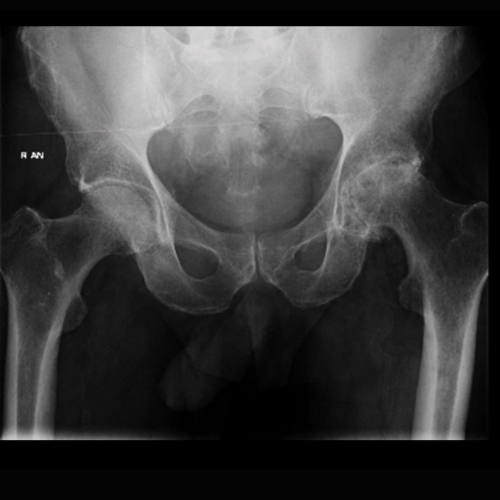
Hip Osteoarthritis
You can read all about hip arthritis, through the AAOS patient information package below: Hip replacement surgery may be necessary when hip arthritis causes significant damage to the hip joint, leading to pain and impaired function. Here are some signs that it may be time to consider hip replacement surgery: Persistent Pain: Pain in […]

Understanding Arthritis & Joint Replacement Options
Arthritis is a common condition that causes inflammation in one or more of your joints. The most prevalent types are osteoarthritis and rheumatoid arthritis.
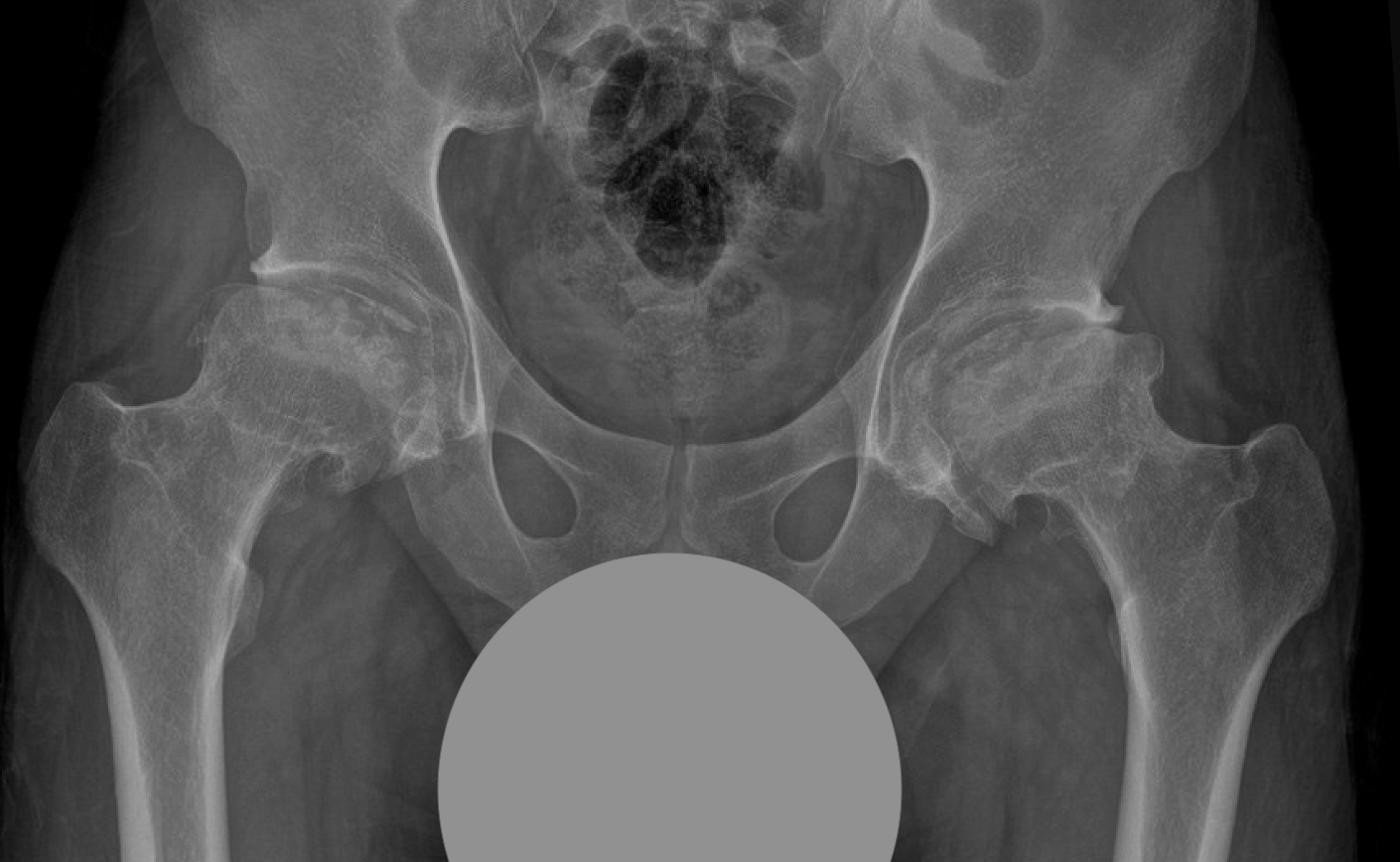
What is Avascular Necrosis?
Avascular necrosis (AVN), also known as osteonecrosis, is a condition where the blood supply to a portion of bone is reduced or interrupted. Without adequate blood flow, the bone tissue begins to die, leading to the collapse of the bone structure. This condition most commonly affects the hip joint, but it can also occur in other bones such as the knees, shoulders, and ankles.

Understanding Knee Replacement Options
Knee replacement surgery, whether partial or total, is often considered when conservative treatments—such as physical therapy, medications, and lifestyle changes—no longer provide sufficient relief from k

Medications After Surgery: Your Guide to Recovery
As you embark on your recovery journey, it’s crucial to follow your post-operative medication regimen carefully. This guide will help you understand each medication prescribed and its role in your recovery. If you have any questions, please contact our office. Remember, for the first two weeks especially, our goal is to limit swelling and inflammation.

Exercises After Knee Replacement Surgery
After hip or knee replacement surgery, the primary goal during the first two weeks is to allow your body to heal while regaining your range of motion. It’s essential to keep your activity level low during this period, focusing on reducing swelling and giving your body the time it needs to recover.