
Will I be able to walk right after surgery?
Yes, most patients are encouraged to start walking with assistance on the day of or the day after surgery to promote healing and restore mobility. In some rare instances this may not be the case.
What are the risks of joint replacement surgery?
The major risks with joint replacement surgery include: infection, pain, stiffness, instability, blood vessel & nerve damage, fracture of the bones around the implants, loosening of the implants, blood clots, or complications related to anesthesia. Dr. Montgomery will discuss these risks and how to minimize them. The specific risks of each procedure are presented at […]
How long do hip and knee replacements last?
Modern implants are designed to last 15-20 years or longer, depending on factors like activity level, weight, and overall health. Age plays a greater role here, the younger you are at the time of surgery, the higher the chances that you will need a revision surgery in your lifetime. Data suggests about 3 out of […]
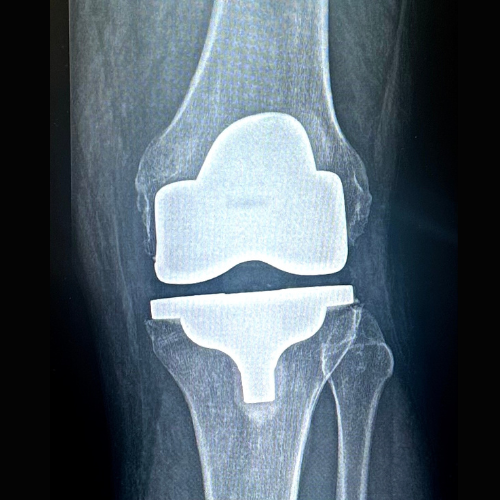
Knee Replacement
Learn about knee replacement surgery.
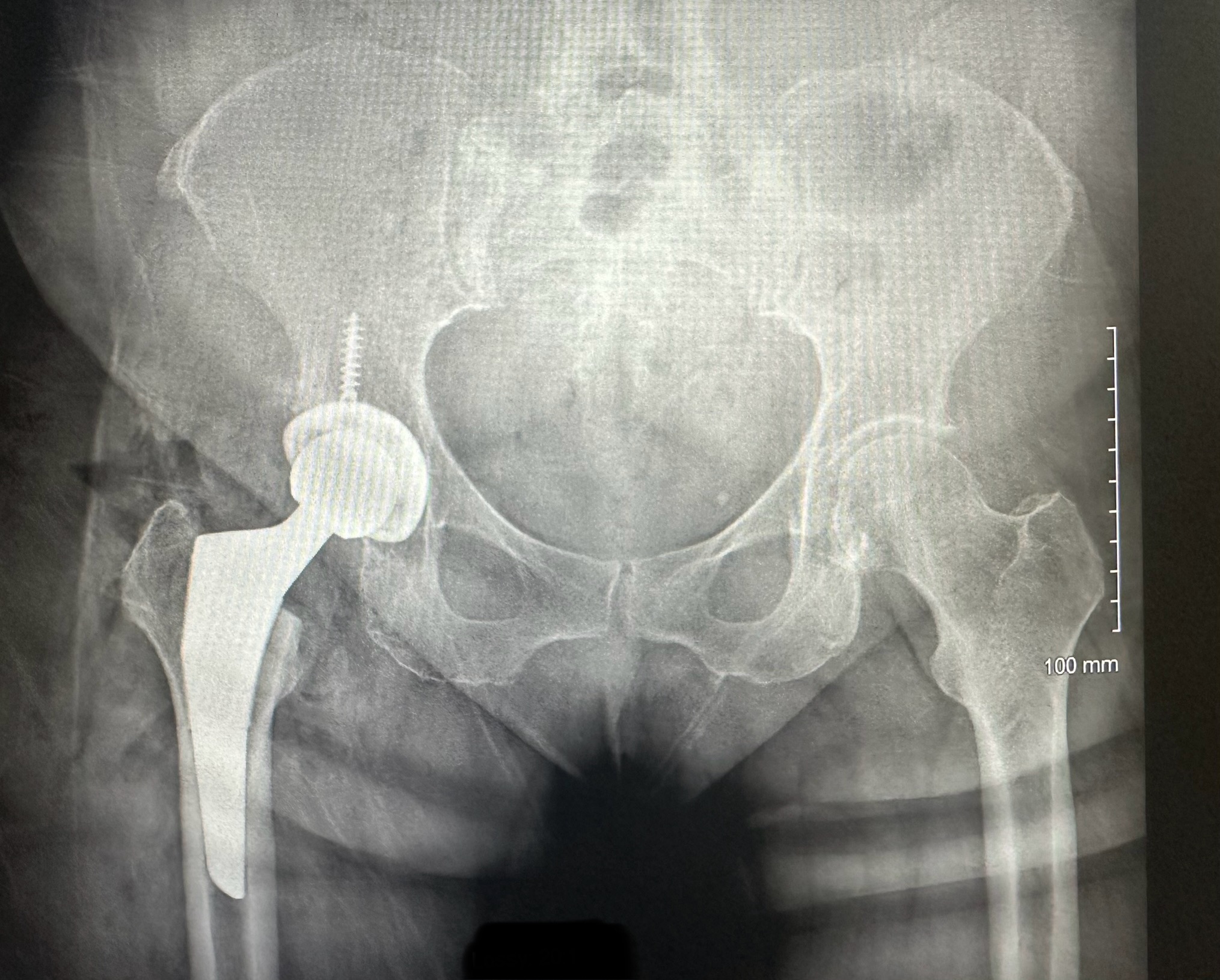
Hip Replacement
Learn more about total hip replacement surgery
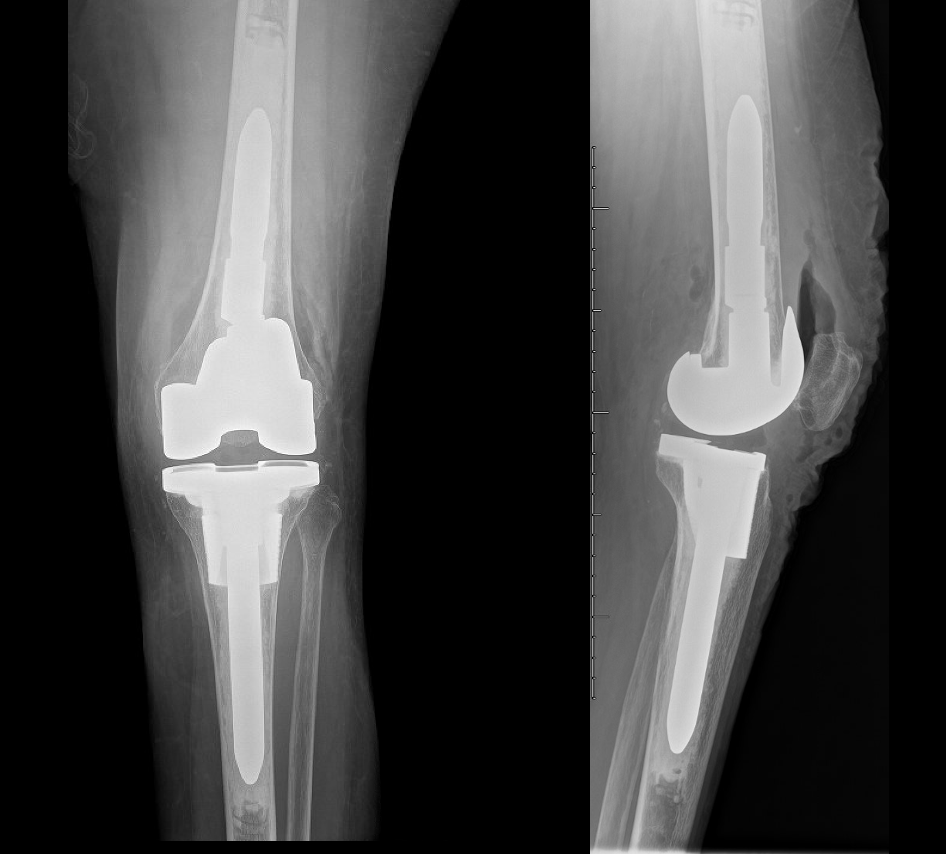
Revision Joint Replacement
Information on what is involved in complex revision total joint replacement

Non-Operative Management
What are the non-surgical options? Surgery can be very effective and for a great majority of patients it is performed without complication, but there will always still be a risk of complications. That is why it is important to ensure you have tried your best to treat your symptoms without surgery. Alternative options with limited […]

Understanding Arthritis & Joint Replacement Options
Arthritis is a common condition that causes inflammation in one or more of your joints. The most prevalent types are osteoarthritis and rheumatoid arthritis.
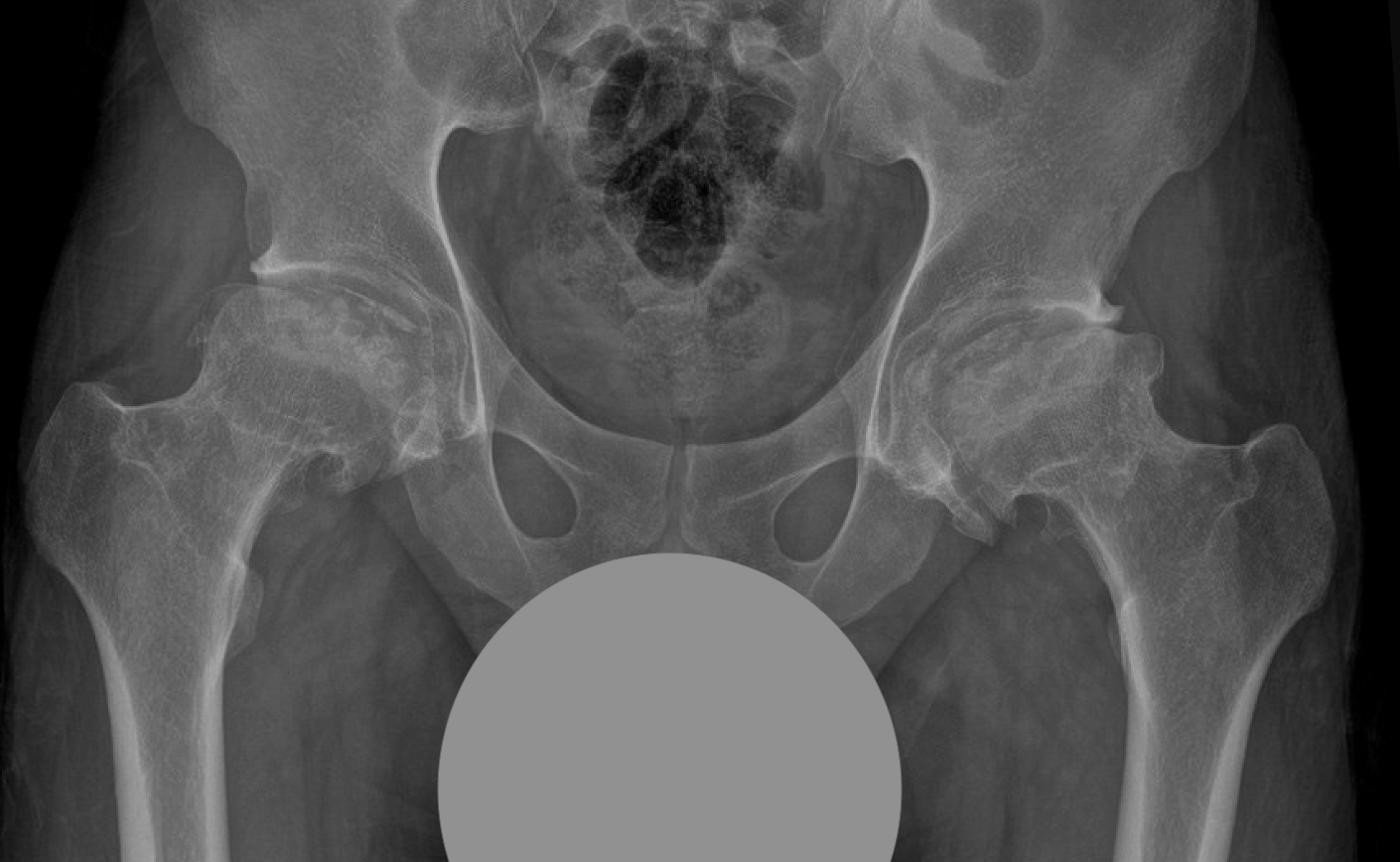
What is Avascular Necrosis?
Avascular necrosis (AVN), also known as osteonecrosis, is a condition where the blood supply to a portion of bone is reduced or interrupted. Without adequate blood flow, the bone tissue begins to die, leading to the collapse of the bone structure. This condition most commonly affects the hip joint, but it can also occur in other bones such as the knees, shoulders, and ankles.
Are there alternatives to joint replacement?
Yes, and these should be attempted before resorting to surgery. Alternative treatments include physical therapy, medications, injections, nerve blocks and lifestyle modifications including weight loss when appropriate. These options may provide relief, and many times can postpone surgery for a significant amount of time but joint replacement may be necessary for long-term pain relief and […]