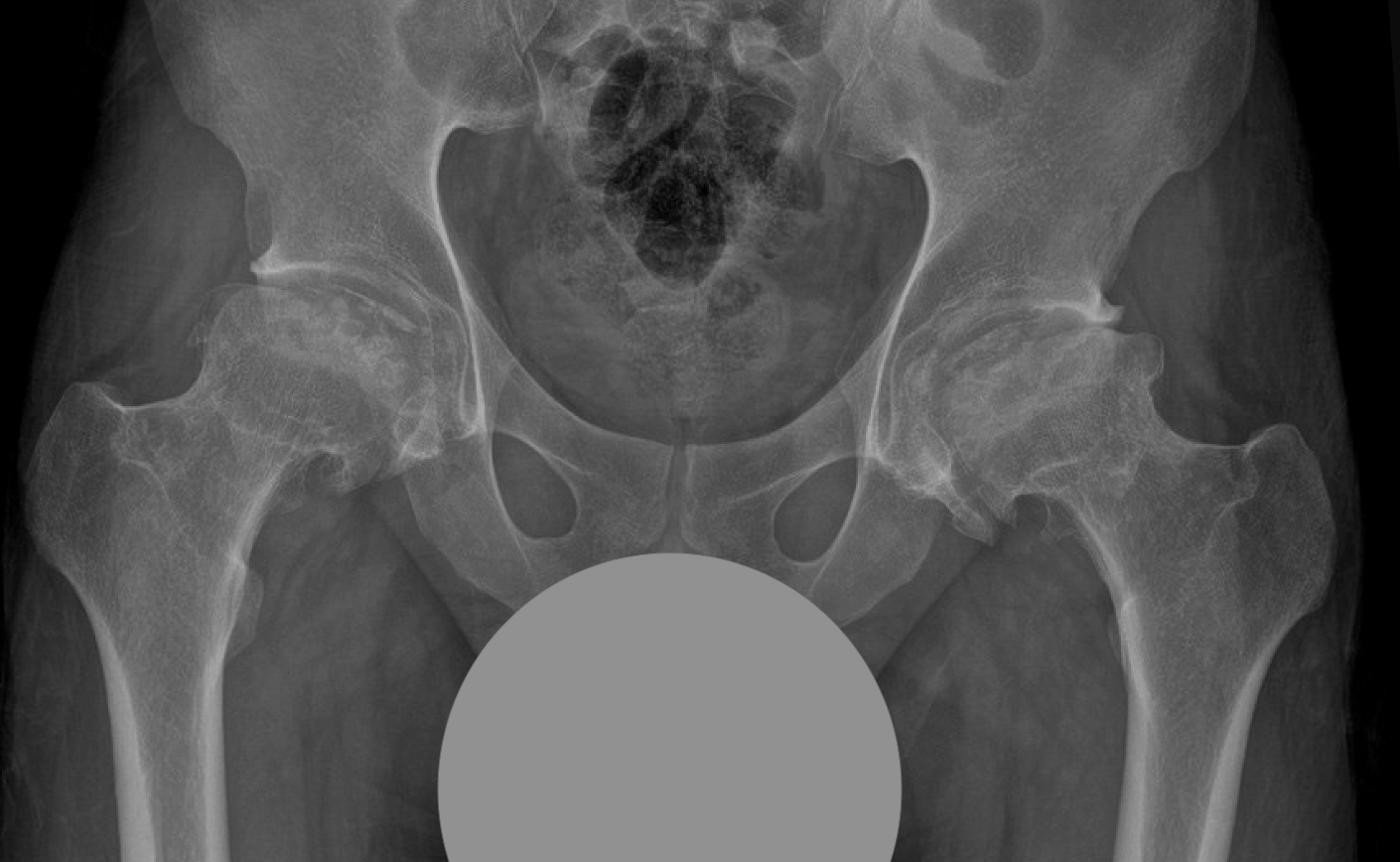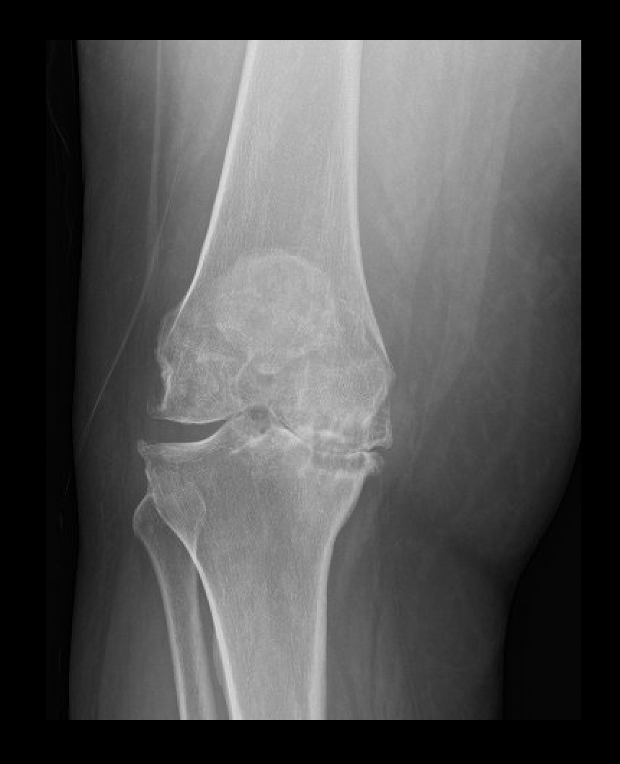
What is Arthritis?
Arthritis is a common condition that causes inflammation in one or more of your joints. The most prevalent types are osteoarthritis and rheumatoid arthritis.
- Osteoarthritis is a degenerative joint disease that typically affects older adults. We are still learning about the scientific causes of arthritis, but to explain simply, osteoarthritis occurs when the protective cartilage that cushions the ends of your bones wears down or is degraded over time, leading to inflammation, pain, stiffness, and reduced mobility.
- Rheumatoid arthritis is an autoimmune disorder where your immune system mistakenly attacks your own body’s tissues, including the joints. This leads to inflammation, swelling, and potential joint deformity.
When Do I Need a Hip or Knee Replacement?
A hip or knee replacement is generally recommended when other treatments have failed to relieve the symptoms of arthritis and when the pain and stiffness significantly affect your daily life. Here are some signs that it may be time to consider joint replacement surgery:
- Chronic Pain: Persistent pain that doesn’t improve with rest, medication, or physical therapy.
- Limited Mobility: Difficulty walking, climbing stairs, or performing daily activities due to stiffness or pain.
- Reduced Quality of Life: If arthritis pain interferes with your ability to work, sleep, or enjoy life, joint replacement may offer a solution.
- Failed Conservative Treatments: If other treatments such as anti-inflammatory medications, injections, or physical therapy have not provided relief.
What are the non-surgical options?
Surgery can be very effective and for a great majority of patients it is performed without complication, but there will always still be a risk of complications. That is why it is important to ensure you have tried your best to treat your symptoms without surgery. If you would like more information on how to treat arthritis without surgery, please review the following videos.
Bear in mind, your optimal treatment should be tailored to your unique situation and not all treatment options will be effective or available.
How Does a Hip or Knee Replacement Help?
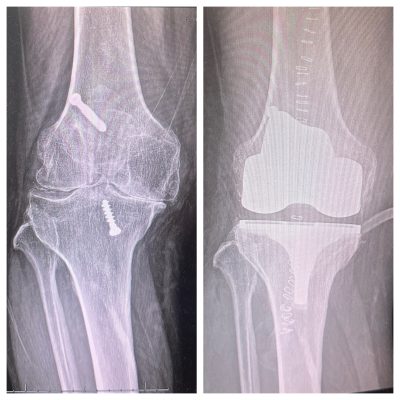
Joint replacement surgery involves removing the damaged parts of the joint and replacing them with artificial components. This can:
- Alleviate Pain: Significantly reduce or eliminate joint pain.
- Restore Mobility: Improve your ability to move and participate in daily activities.
- Enhance Quality of Life: Help you return to the activities you enjoy with less pain and greater ease.
For a comprehensive guide to total joint replacement, including information on preparation and daily recovery expectations, please see Dr Andrew Wickline’s total hip or knee replacement guides found here:
Hip Booklet (For a 10% off – Use discount code: SPENCER10)
Dr. Andrew Wickline’s Total Hip Replacement Guide
Knee Booklet:
Dr. Andrew Wickline’s Total Knee Replacement Guide