
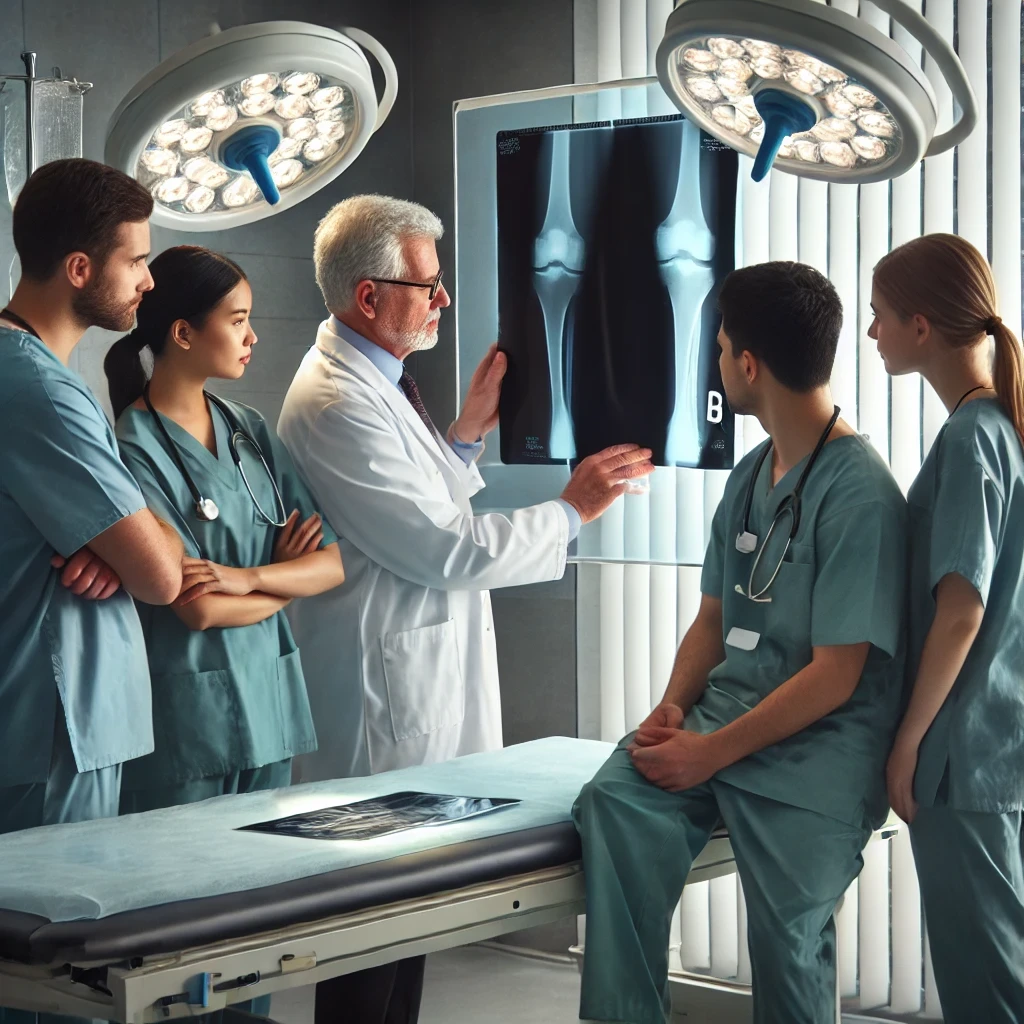
The Role of Orthopaedic Residents in Patient Care
Orthopaedic residents are highly trained physicians undergoing specialized education in musculoskeletal care and surgery. They play an essential role in the joint replacement program, working closely with attending surgeons, nurses, and therapists to ensure optimal patient outcomes while developing their expertise in orthopaedic surgery.
Key Responsibilities of Orthopaedic Residents
- Assisting in Surgery – Under the guidance of an attending surgeon, residents actively participate in joint replacement procedures, refining their surgical skills, assisting with complex techniques, and ensuring the highest standard of care for patients.
- Preoperative and Postoperative Patient Management – Residents conduct patient evaluations before surgery, review imaging and medical histories, and assist in optimizing surgical candidates. After surgery, they monitor patient progress, assess wound healing, manage pain control, and ensure a smooth transition to rehabilitation.
- Responding to Patient Needs – Whether in the operating room, hospital wards, or clinic, residents are often the first point of contact for patient concerns, promptly addressing medical needs, adjusting care plans, and coordinating with the surgical team to ensure timely interventions.
- Gaining Expertise Through Hands-On Learning – As part of their rigorous training, residents receive direct mentorship from experienced orthopaedic surgeons. They progressively take on more responsibility, honing their diagnostic and surgical skills while upholding the highest standards of patient safety and quality care.
- Collaboration with the Multidisciplinary Team – Residents work closely with physical and occupational therapists, social workers, and nursing staff to ensure a comprehensive approach to patient recovery, addressing mobility, pain management, and discharge planning.
The Value of Orthopaedic Residents
Orthopaedic residents bring dedication, enthusiasm, and advanced medical knowledge to patient care. Their commitment to continuous learning and patient well-being enhances the quality of treatment provided in joint replacement programs. By blending hands-on surgical experience with a deep understanding of musculoskeletal medicine, they help shape the future of orthopaedic excellence while providing patients with attentive, high-quality care.